




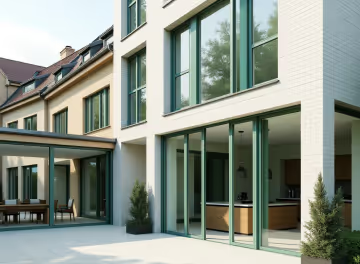
What Are Double Glazed Windows?
Double glazed windows are made with two panes of glass separated by a space filled with air or gas. This setup reduces the amount of heat that escapes during the winter and keeps cool air in during the summer. The space between the glass acts as insulation, improving thermal efficiency.
This insulation layer helps regulate indoor temperatures more effectively, making your living or working environment more comfortable throughout the year. The sealed space between the panes also significantly reduces sound transfer, offering a quieter interior.
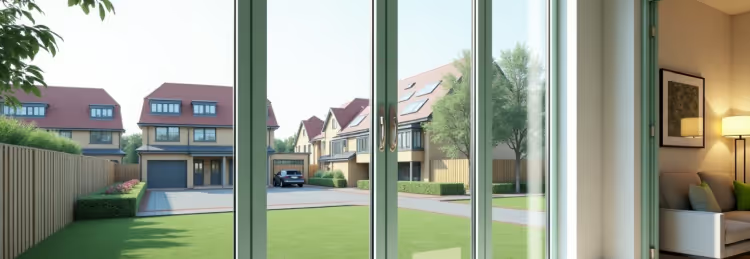
How Do They Work?
The two glass panes are sealed to form a unit. The space between them is usually filled with argon gas or simply dry air. This layer works as a barrier, minimising heat transfer and providing sound insulation. The sealed unit also helps prevent condensation.
Argon gas, being denser than air, is particularly effective at reducing thermal conductivity. The design also helps reduce the risk of mould and damp by limiting cold surfaces where moisture can accumulate—contributing to a healthier indoor environment.
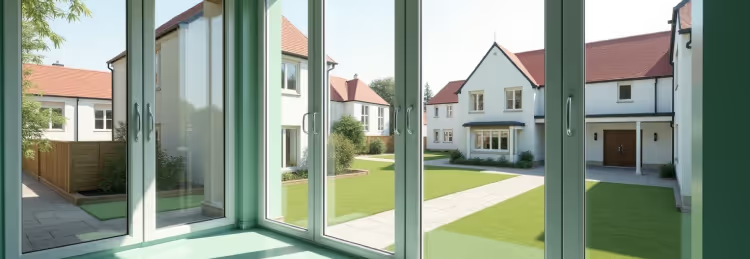
Benefits of Double Glazed Windows
Reduce heat loss through the glass. Your heating and cooling systems work less, leading to lower bills and a smaller carbon footprint.
Block outside noise, making your home or office quieter and more comfortable—especially useful near busy roads.
Tougher to break than single-pane windows, with advanced locking mechanisms for added security and peace of mind.
Keep temperatures stable in hot and cold weather, reducing reliance on artificial heating or cooling.
The insulation layer keeps the inner glass warmer, reducing condensation and preventing mould or mildew build-up.
Homes with double glazing are more attractive to buyers and renters thanks to their energy efficiency and comfort.
Lower overall energy consumption translates to a reduction in greenhouse gas emissions—a greener, more sustainable choice.
Special coatings filter out ultraviolet rays, protecting furnishings, carpets, and artwork from fading.
Types of Double Glazed Windows
uPVC Double Glazed Windows
Made with unplasticised polyvinyl chloride and popular for their durability, thermal efficiency, and low maintenance. uPVC does not rot, flake, or rust, making it ideal for a wide range of environments.
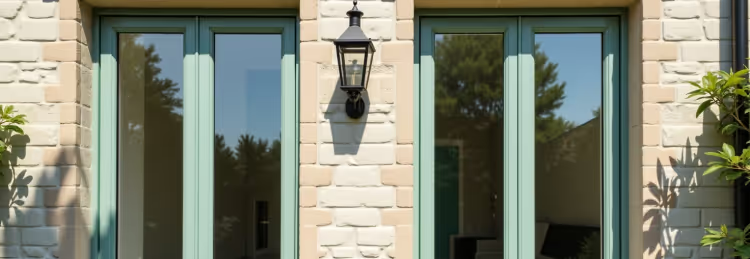
Aluminium Double Glazed Windows
Known for their slim profiles, strength, and modern aesthetic. Aluminium frames are lightweight yet extremely durable—resistant to corrosion and weather damage, making them suitable for coastal areas.
Timber Double Glazed Windows
Timber frames offer a warm, natural, and classic appearance, ideal for heritage homes and period-style properties. Highly insulating and—when treated correctly—remarkably durable.
Tilt and Turn Windows
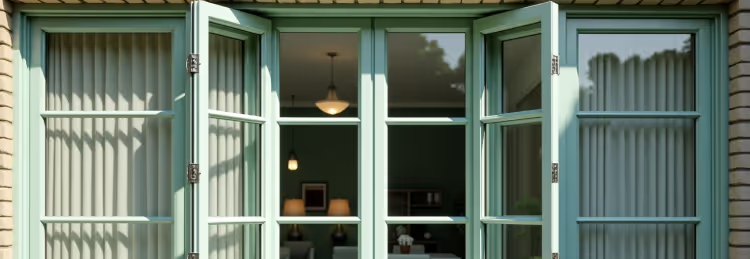
These windows open two ways: they tilt inward from the top for ventilation or swing open from the side for full access. Easy to clean from the inside and highly secure.
Sliding Double Glazed Windows
Slide horizontally on a track, saving space and offering a sleek, modern look. Perfect for rooms with limited space or commercial buildings.
Bi-Fold Double Glazed Windows
Multiple panels that fold and stack neatly to one side, creating a wide, open space when fully opened. Excellent for connecting indoor and outdoor areas.
Installation Process
Installing double glazed windows should always be done by professionals to ensure a safe, efficient, and high-quality finish. Here’s what you can typically expect:
- Consultation and Measurement — An experienced installer assesses your current windows and takes accurate measurements.
- Quote and Planning — A detailed quote outlines materials, labour, and timeline; you choose styles and finishes.
- Manufacturing — Windows are custom-manufactured to your specifications, taking a few weeks depending on complexity.
- Installation Day — The team removes old windows and installs the new units, usually within a day or two.
- Final Inspection and Cleanup — A thorough inspection checks sealing, smooth operation, and airtightness.
How Much Do Double Glazed Windows Cost?
The cost varies depending on frame material (uPVC, timber, aluminium), type and size of windows, installation complexity, and labour costs. Investing in double glazing pays off over time through energy savings, improved comfort, and increased property value.
Always request multiple quotes to ensure you get the best value for your budget.
Maintenance Tips
- Clean the glass regularly with warm, soapy water and a soft cloth
- Inspect seals and frames every few months for wear or cracking
- Lubricate moving parts with silicone-based lubricant every six months
- Avoid harsh chemicals like bleach or ammonia-based products
- Check for condensation between panes—a sign of a failed seal
- Clear drainage holes to prevent water buildup
- Repaint timber frames every few years for protection
- Schedule professional inspections every few years
Common Myths Debunked
“They’re too expensive.”
The initial investment is higher, but long-term savings on energy bills more than compensate for the upfront cost.
“They don’t look good.”
Modern double glazed windows come in a wide range of styles, colours, and finishes to complement any design.
“They’re only for cold climates.”
Double glazing works in both hot and cold weather—keeping interiors cooler in summer and warmer in winter.
“You can’t retrofit old windows.”
Most properties can be retrofitted, including older or heritage homes, thanks to bespoke solutions.
“They always get condensation.”
Properly installed double glazing reduces condensation. If it appears between panes, that means the seal has failed.
“They don’t last long.”
High-quality units last 20 years or more with proper care.
Frequently Asked Questions
Can I install double glazed windows myself?
It’s not recommended. Improper installation can lead to air leaks and poor insulation. Always hire professionals.
How long do double glazed windows last?
They typically last 20–30 years with proper care.
Are there government incentives for installing them?
Some regions offer tax credits or rebates. Check with your local energy office.
Do they work with all types of buildings?
Yes. Double glazed windows can be customised to fit residential and commercial structures.
Can they be repaired?
Minor issues can be fixed, but if the seal is broken and moisture gets inside, you may need to replace the unit.
Are triple glazed windows better than double glazed?
Triple glazing offers better insulation and noise reduction but is more expensive. Double glazing balances performance and cost.
Do they require planning permission?
In most cases, no. Listed buildings or conservation areas may need special permissions.
Are they suitable for hot climates?
Absolutely. They keep heat out during hot weather, improving comfort and reducing cooling costs.
Final Thoughts
Double glazed windows are more than just a home improvement trend—they’re a smart investment. With long-term benefits like energy savings, comfort, and security, they offer value that lasts. Whether you’re a homeowner looking for peace and quiet or a business aiming to enhance your space, double glazing is worth every pound.


